
A supplier sends a video of a shutter opening and closing. Before releasing the order, can you tell which door is moving, which operator is fitted and which drawing the inspector used? Roller shutter factory testing gives the buyer a basis for release when each result can be traced to an opening on the order.
Agree on the checks while the supplier can still set aside the unit, measure a feature or repeat an operating trial. Start with the order number, door mark and approved drawing revision. For an order covering several openings, record which checks apply to every unit and which will be performed on an agreed sample.
Contents
- 1 Build a roller shutter factory test checklist around the order
- 2 Measure the same feature the drawing specifies
- 3 Match the assembly to the released configuration
- 4 Review the operating trial and its limits
- 5 Read the roller shutter factory test report before release
- 6 Hand the release record to the receiving team
Build a roller shutter factory test checklist around the order
For each line of the checklist, name the feature, the reference document, the acceptance criterion and the evidence the reviewer expects. The agreed drawing might govern guide length, while a separate schedule identifies the operator and finish. If the two documents disagree on a feature, resolve the revision with the drawing owner before asking the inspector to sign it off.
Decide whether the buyer will review records, witness selected checks remotely or attend a formal roller shutter factory acceptance test. Confirm that arrangement with the supplier before manufacture. The guide to shutter project documents explains how to identify the drawing released for production.
Measure the same feature the drawing specifies
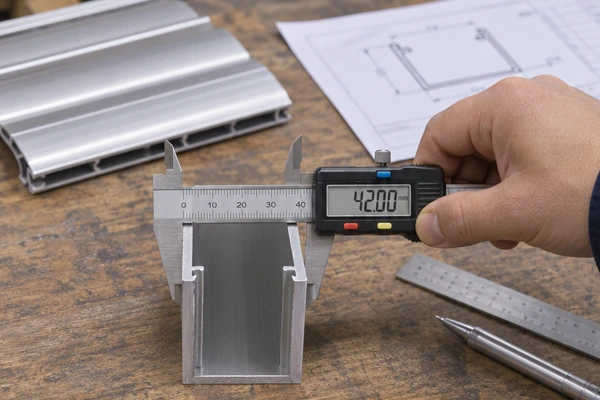
For aluminum roller shutter doors, a clear opening width, curtain width and overall width across the guides can all appear on one sheet. They describe different distances. Ask the inspector to identify the drawing callout, measure between its reference points and enter the actual value and units beside the specified figure.
Consider a guide cut to length. A photo showing one end beside a tape tells the buyer little if the other reference point is outside the picture. A useful record shows the door mark, which end or face was used, the measured length and the applicable tolerance. If the drawing gives no tolerance for a disputed feature, ask the responsible parties to agree on the criterion before accepting or rejecting it.
Match the assembly to the released configuration
Aluminum roller shutter factory testing should cover the parts that distinguish one opening from another. Compare the curtain profile, guide pair, bottom bar, mounting arrangement and finish with the released order. For handed components, state the viewing side. A motor shown on the right from inside the building appears on the left when viewed from outside.
Ask for an overview that identifies the assembly and close-ups of features the reviewer cannot see in that view. A batch photograph may show the finish across several curtains. It cannot identify which guide pair belongs to door D04 unless the record connects the components to that opening.
Review the operating trial and its limits

For electric roller shutter factory testing, first establish what the supplier can assemble on the test frame. Record the operator and control equipment used, any temporary items and any ordered devices that will only be fitted on site. If a complete trial is outside the agreed scope, record which component checks were completed and what remains for commissioning.
Have qualified factory personnel carry out the agreed trial under the applicable instructions. Ask them to identify the door before the run and record travel, stopping positions and the response of any fitted controls included in the test plan. If the curtain catches on the guide during closing, record where it happens and whether it recurs. A second clip showing the same unit after correction is more informative than an unlabelled replacement video.
A short operating trial documents the behavior observed under those conditions. A cycle-life figure, wind rating or compliance claim needs evidence applicable to that configuration. Record those requirements separately if the project specifies them.
Read the roller shutter factory test report before release
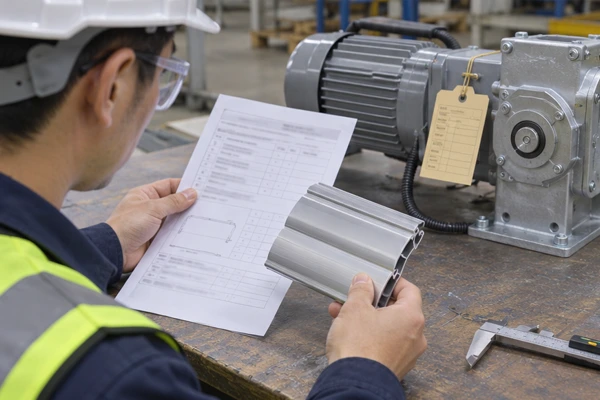
A useful roller shutter factory test report lets another reviewer reconstruct the decision. For each door, record the order and drawing revision, feature checked, expected result, actual observation, date and inspector. Link photographs or video to that line. Where several units share a result, identify the sample and the scope the buyer agreed to.
For example, if a guide was cut against a superseded drawing, keep the original measurement in the record. Identify the affected opening, the replacement guide and the measurement taken after correction. The person authorized to release the order can then close that item or leave the door on hold. Keep untouched units distinguishable from those awaiting recheck.
Hand the release record to the receiving team
Send the final roller shutter factory testing records with the door schedule so the receiving team knows which configuration left the factory. Transit can introduce new damage, and the finished building can differ from the test frame. Use the delivery inspection checklist when the packages arrive, and have the installed system commissioned under the applicable instructions.
To discuss roller shutter factory testing with SEPPES, send the approved drawing revision, opening schedule and checks you want to witness. Identify any evidence you need before dispatch so the supplier can confirm the inspection scope in the offer.


