
Contents
- 1 Introduction
- 2 Most Common Types of Industrial Doors for Modern Facilities
- 3 The Importance of Selecting the Right Industrial Roller Door
- 4 Key Considerations When Choosing Industrial Doors
- 5 Comparing the 6 Types of Industrial Doors: Which is Best for You?
- 6 Conclusion: Selecting the Best Industrial Door for Your Needs
Introduction
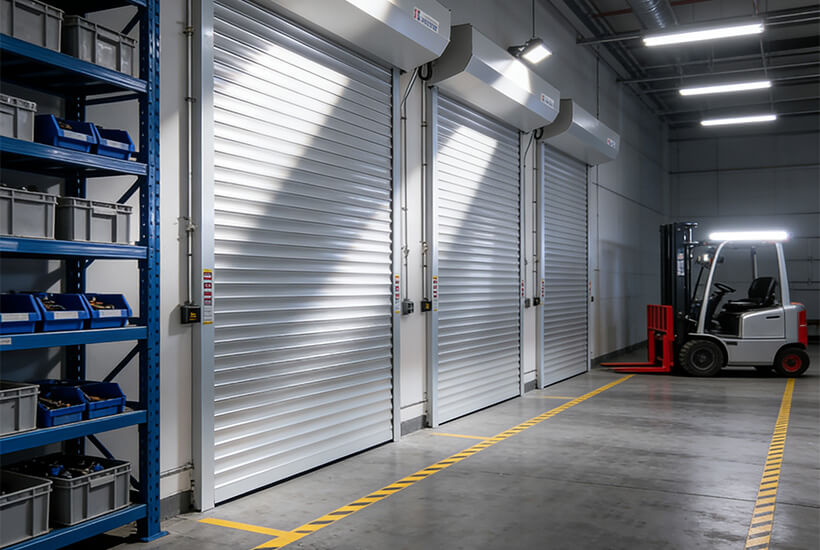
In logistics, manufacturing and warehousing operations, industrial doors are core facilities affecting process continuity, energy efficiency and site safety, rather than just entry-exit parts. A properly adapted system supports smooth operations by controlling energy costs, enhancing protection and optimizing traffic flow.
With 2026 industrial technology upgrades, the market has expanded beyond traditional steel rolling shutters, covering insulated sectional doors, intelligent control doors and more. Yet this variety complicates facility managers’ selection of suitable solutions.
How to choose the right industrial door for your facility? This guide focuses on the six mainstream types of industrial doors, analyzing their core differences and adaptability in high-traffic scenarios, as well as smart functions. It helps you gain a clear strategy to select durable, high-performance industrial doors for asset protection and operational upgrades.
Most Common Types of Industrial Doors for Modern Facilities
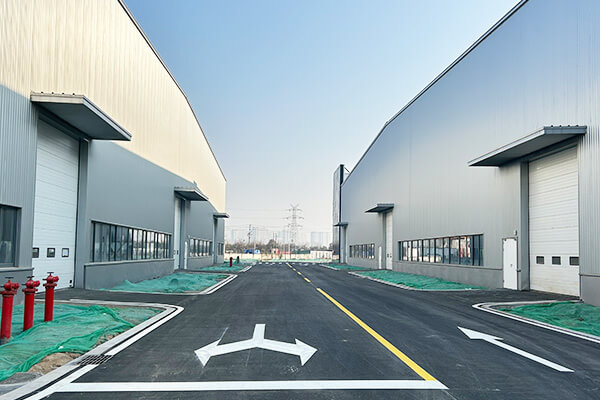
Modern facilities must balance operational speed with structural integrity. Below are the most prevalent types of industrial doors used globally to optimize logistics and protect assets.
Industrial Roller Shutter Doors
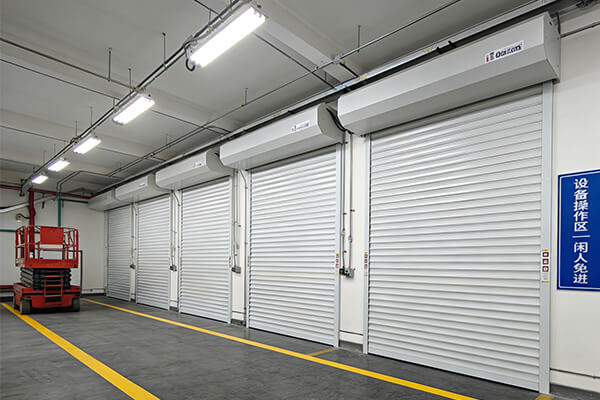
Industrial roller shutters are the quintessential choice for facilities where floor space is at a premium. These doors consist of horizontal slats hinged together, which roll up into a compact overhead shroud.
- Space-Saving Design: Because they coil vertically, they do not interfere with internal racking or overhead lighting.
- Durability & Versatility: Constructed from heavy-duty galvanized steel or aluminum, they offer a formidable barrier against intruders and harsh weather.
- Security Grilles: For applications requiring high visibility or ventilation—such as retail loading docks or underground parking.
Sectional Overhead Doors
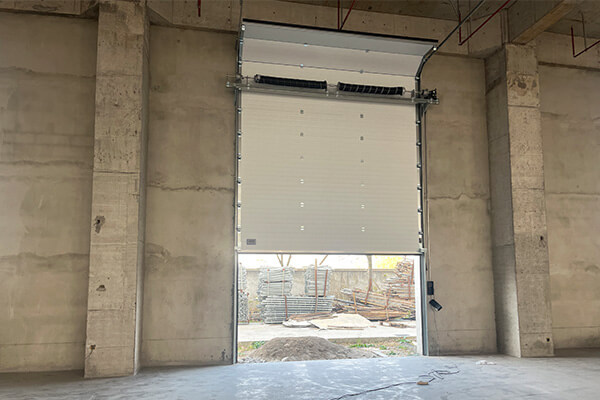
Widely regarded as the standard for modern warehouse bays, sectional overhead doors are comprised of panels that slide up and under the ceiling.
- Superior Insulation: Unlike single-skin shutters, sectional doors often feature “sandwich” panels filled with high-density polyurethane foam. This makes them the ideal choice for climate-controlled warehouses.
- Aesthetics & Operation: They offer a professional, clean appearance and operate via a tracked system that ensures smooth, quiet movement.
- Natural Light: These doors can easily incorporate vision windows to increase natural light within the workspace.
Rapid Roll Doors
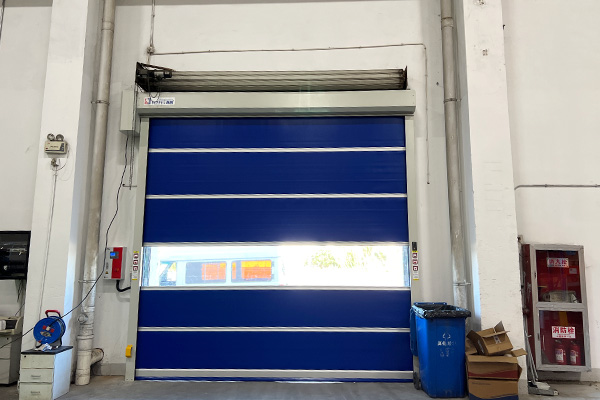
Rapid Roll Doors are designed for high-frequency use. These doors open and close in a fraction of the time of a standard door.
- Minimize Energy Loss: By reducing the time a doorway remains open, these doors significantly decrease air exchange, making them vital for cold storage and pharmaceutical cleanrooms.
- Advanced Safety: Most rapid roll systems feature soft bottom edges and safety photoelectric protection devices.
Steel Hinged Doors
While large bays get most attention, Steel Hinged Doors are the backbone of facility security and personnel access.
- High-Security Areas: Reinforced with internal steel cores and multi-point locking systems, these doors are nearly impossible to breach, making them perfect for data centers or equipment rooms.
- Fire Resistance: These doors often double as fire exits, offering certified fire ratings (e.g., 60 to 240 minutes) to contain hazards and ensure employee safety.
- Strength & Durability: Unlike standard commercial doors, industrial steel hinged doors are built to withstand heavy-duty use and corrosive environments.

High Speed Spiral Doors
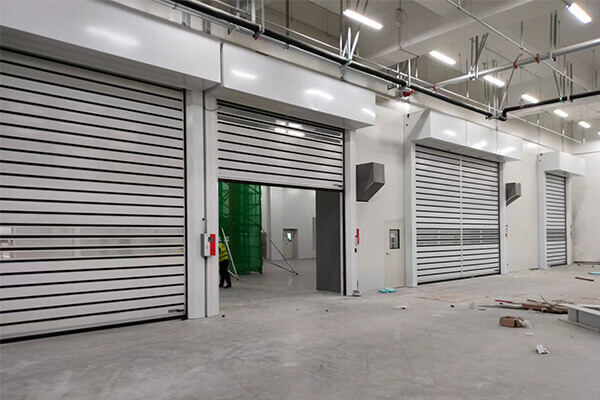
Spiral doors combine the security of rigid roller shutter with the velocity of high-speed doors.
- The Hybrid Solution: Utilizing a unique circular track (the spiral) that prevents the door slats from touching each other, these doors operate at incredible speeds without the wear and tear of traditional coiling systems.
- High-Performance Sealing: They offer excellent thermal breaks and acoustic insulation, making them a premium choice for high-traffic external entrances that require both speed and a secure seal.
The Importance of Selecting the Right Industrial Roller Door
How the Right Door Improves Facility Security and Operations
Drastic Reduction in Energy Costs
According to recent industrial energy audits, air infiltration through poorly insulated or slow-moving doors can account for up to 30% of a building’s total heat or cooling loss.
- Data Point: Installing a high-speed “Rapid Roll” door can reduce energy loss by over 70% compared to a standard sectional door in high-traffic environments, as the door remains open for significantly less time.
Boosting Operational Throughput
Time is the most expensive variable in logistics. If a forklift driver has to wait just 15 seconds for a slow door to open 40 times a day, that results in over 40 hours of lost labor per year, per door.
- Operational Impact: Modern high-cycle doors with speeds of up to 2.5 meters per second ensure that traffic flow remains uninterrupted, directly increasing the number of shipments a warehouse can process daily.
Enhanced Security and Loss Prevention
Security breaches often occur at loading docks or secondary entrances.
- Data Point: Industry reports suggest that over 15% of warehouse shrinkage is linked to unauthorized access through improperly secured entry points. Selecting heavy-duty roller shutters with RC3 or RC4 security ratings provides a physical deterrent that can lower insurance premiums by up to 10-15%.
Key Considerations When Choosing Industrial Doors
Traffic Volume
High speed industrial door rated for 20,000 cycles will fail within months in a high-traffic distribution center. For 24/7 operations, look for doors rated for 100,000 to 500,000 cycles to avoid constant mechanical failure.
Environmental Differentials (Internal vs. External)
If you are separating a -20°C freezer from a +15°C loading bay, the R-value (thermal resistance) of the door is the most critical metric. High-performance insulated sectional doors with thermal breaks are mandatory to prevent ice buildup and compressor strain.
Safety Compliance
Modern doors must feature safety mechanisms, such as light curtains, photo-electric cells, and wireless safety edges. In the EU, non-compliance with door safety standards (like EN 13241) can lead to significant legal liabilities in the event of a workplace accident.
Wind Load Requirements
For external doors in coastal or high-altitude regions, the Wind Class rating (Class 1–4) is vital. A door with insufficient wind resistance can be blown out of its tracks, causing catastrophic damage to both the door and the facility interior.
Comparing the 6 Types of Industrial Doors: Which is Best for You?
| Type | Feature | Benefits | Disadvantages | Best Use | Cost | Space Req. | Operation |
|---|---|---|---|---|---|---|---|
| Roller Shutter | Secure, compact | Good for security | Slower operation | Warehouses, shops | Medium | Low | Moderate |
| Sectional Doors | Insulated, strong | Energy efficient | Requires space | Factories, garages | High | Medium | Moderate |
| Rapid Roll Doors | Fast, efficient | High traffic speed | High cost | Cleanrooms, food plants | High | Low | High |
| Steel Hinged | Durable, secure | Strong, long-lasting | Low insulation | Loading bays, security | Medium | Medium | Low |
| Spiral Doors | Fast, minimal space | Quick operation | Expensive | High-traffic areas | High | Low | High |
| Fire-Rated Doors | Fire-resistant | Safety, security | Reduces efficiency | Factories, buildings | High | Medium | Low |
Conclusion: Selecting the Best Industrial Door for Your Needs
Choosing the right type of industrial door is crucial for optimizing your facility’s operations. The right door not only enhances security, but also improves energy efficiency, traffic flow, and functionality.
If you prioritize speed and efficiency, high-speed spiral doors or rapid roll doors may be the best option. For energy efficiency and space-saving, sectional doors provide excellent insulation. If security is your top concern, industrial roller shutter doors or spiral doors offer robust protection.
Ultimately, your decision should align with your facility’s operational demands, the environment, and your budget. By carefully assessing these factors, you’ll be able to select the ideal type of industrial door to meet your needs.
Reference source:
Complete Guide to Commercial Industrial Doors: Types, Benefits, and Innovations
Industrial Roller Shutter Doors: The Complete Guide to Types, Applications, and Benefits


